
What is the difference between “adjoining” and “adjacent”? The difference in the definition of the two words is what it all came down to in the May 2023 Supreme Court decision on the inclusion of wetlands in the Clean Water Act’s (CWA) definition of the Waters of the United States (WOTUS). The letter of the law in the CWA is “it is unlawful to discharge dredged or fill material into “navigable waters” of the United States, tributaries of such waters and adjacent wetlands.”
Judge Alito in his Opinion says “adjacent wetlands must be a relatively permanent body of water connected to traditional interstate navigable waters and the wetland has a continuous surface connection with that water, making it difficult to determine where the water ends and the wetlands begin”. This interpretation of the meaning of adjacent is consistent with the Supreme Court decision made years ago in a case commonly referred to as Rapanos. However Justice Kavanaugh in his Opinion writes that the word “adjacent” is used incorrectly by Judge Alito. Kavanaugh says Alito is defining the word “adjacent” as meaning “adjoining” wetlands and that “adjacent” and “adjoining” have two different meanings.
According to Justice Kavanaugh, “adjoining” means wetlands contiguous to or bordering a navigable water and “adjacent” includes adjoining wetlands and wetlands separated from navigable waters by manmade dikes or barriers, natural river berms, beach dunes and the like. Judge Kavanaugh points to the fact that these types of wetlands have been regulated by the U.S. Environmental Protection Agency (EPA) since 1977 and there has been a consistent meaning for “adjacent” over the last 45 years.
If you’ve been keeping up with my series of blog posts on the definition of WOTUS over the last seven years you will know that the EPA has been trying to write regulations on what WOTUS means and how to apply that definition. There have been three rewrites now – one for each of the past three presidential administrations. You can read my post on the latest version published last year here https://waterblogger.org/category/water-quantity/ . EPA attempted to include the “significant nexus test” in its last rewrite of the regulation. This test came from a conflicting opinion by Judge Kennedy that muddied the waters of the so called Rapanos decision mentioned above. He wrote that the “CWA jurisdiction over adjacent wetlands requires a “significant nexus” between wetland and navigable water which exists when “the wetland, either alone or in combination with similarly situated lands in the region, significantly affect the chemical, physical and biological integrity of those waters.”
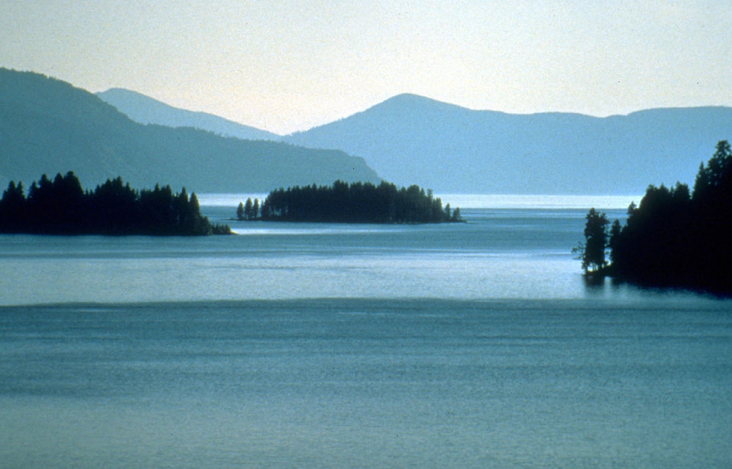
EPA has been using this test for quite some time now and has an extensive guidance document for field personnel to use in deciding whether a wetland meets the criteria for “significant nexus”. They came upon a bit of difficulty with implementing this test though when they issued Mr. and Mrs. Sackett of Priest Lake, Idaho a violation for infilling wetlands on property where they were trying to build a home. The Sacketts sued. The Sacketts property is located across the street from a ditch that leads into a creek which eventually feeds into Priest Lake, a navigable intrastate lake that is considered a WOTUS. The EPA’s contention was that the wetlands on the Sackett’s property were similarly situated with the Kalispell Bay Fen wetland nearby and therefore constituted WOTUS.
The Ninth District Court ordered summary judgment for the EPA in the lawsuit saying that “the CWA covers wetlands with an ecologically significant nexus to traditional navigable waters and the Sackett’s wetland satisfied the standard.”
The case was appealed by the Sacketts and arrived last year (nearly 20 years after they bought their land on Priest Lake), to be argued in front of the Supreme Court. All nine Supreme Court justices ruled in favor of the Sacketts, saying their property did not meet the definition provided in the CWA for being considered “adjacent wetlands” and that EPA’s “significant nexus” test is not covered by the CWA.
This ruling must be a huge blow to the Office of Water at EPA and fill its corridors with woe. A lot of time has been taken up over the last 12 years writing and rewriting regulations. Now their latest rule on definition of WOTUS has been thrown out by the Supreme Court and regulatory jurisdiction over many traditionally regulated wetlands has been called into question. Lots of people warned them about this potential outcome when they proposed writing regulations on WOTUS back during the Obama Administration. Now it has all come to fruition.